×
AIRSHIP Full Logo
Menu

Types of Air Pollutants

There are primarily two types of air pollution.

Outdoor Pollution

Outdoor Pollution is the presence in the air of one or more substances at a concentration or for a duration above their natural levels, with the potential to produce an adverse effect.

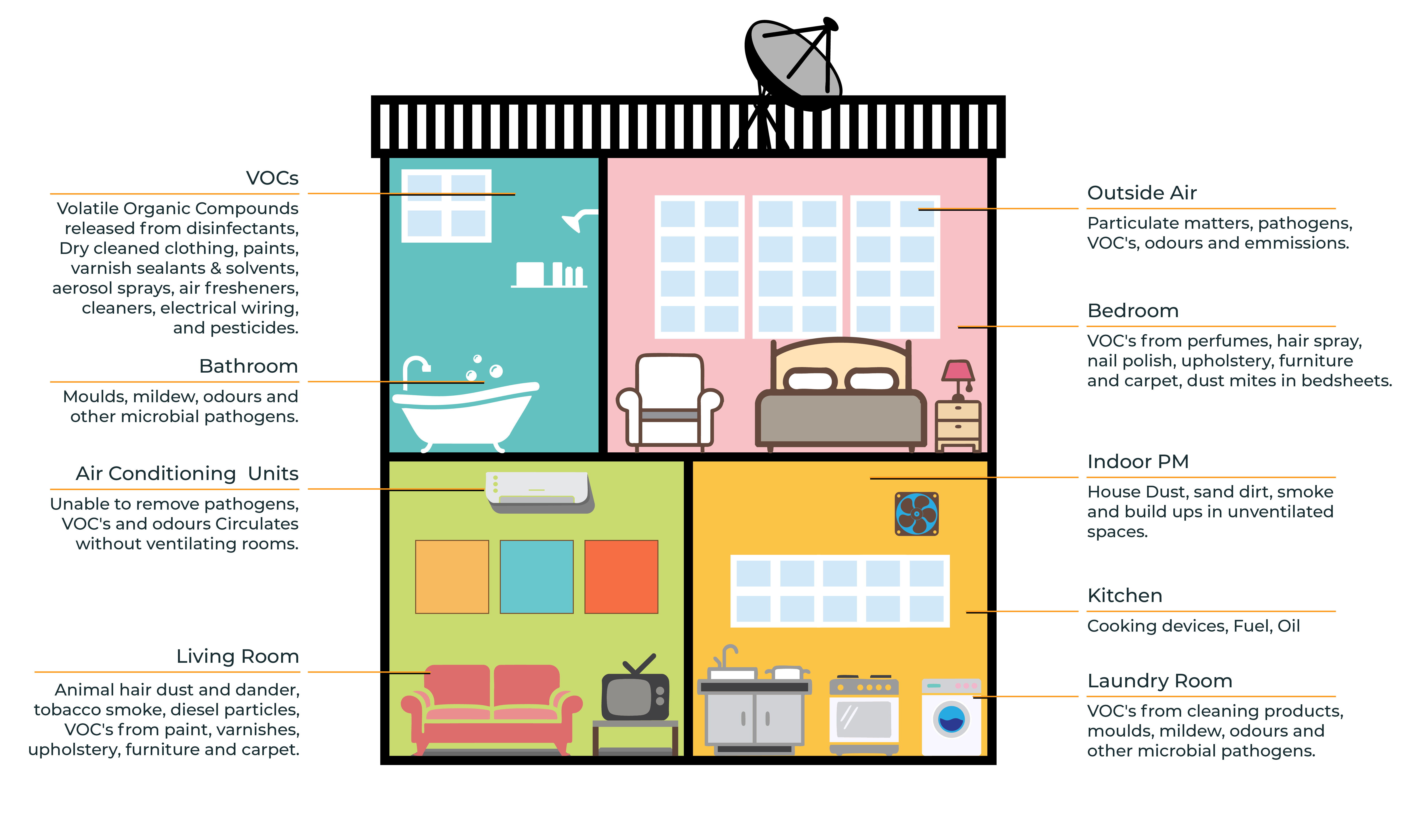
Indoor Pollution

Indoor air pollution is the quality of air within buildings and structures, and the impact it has on the health and comfort of people who live there.

Together, these sources produce 46 different major types of pollutants that are responsible for increased air toxicity in India.

These 46 pollutants are classified into FOUR major categories.

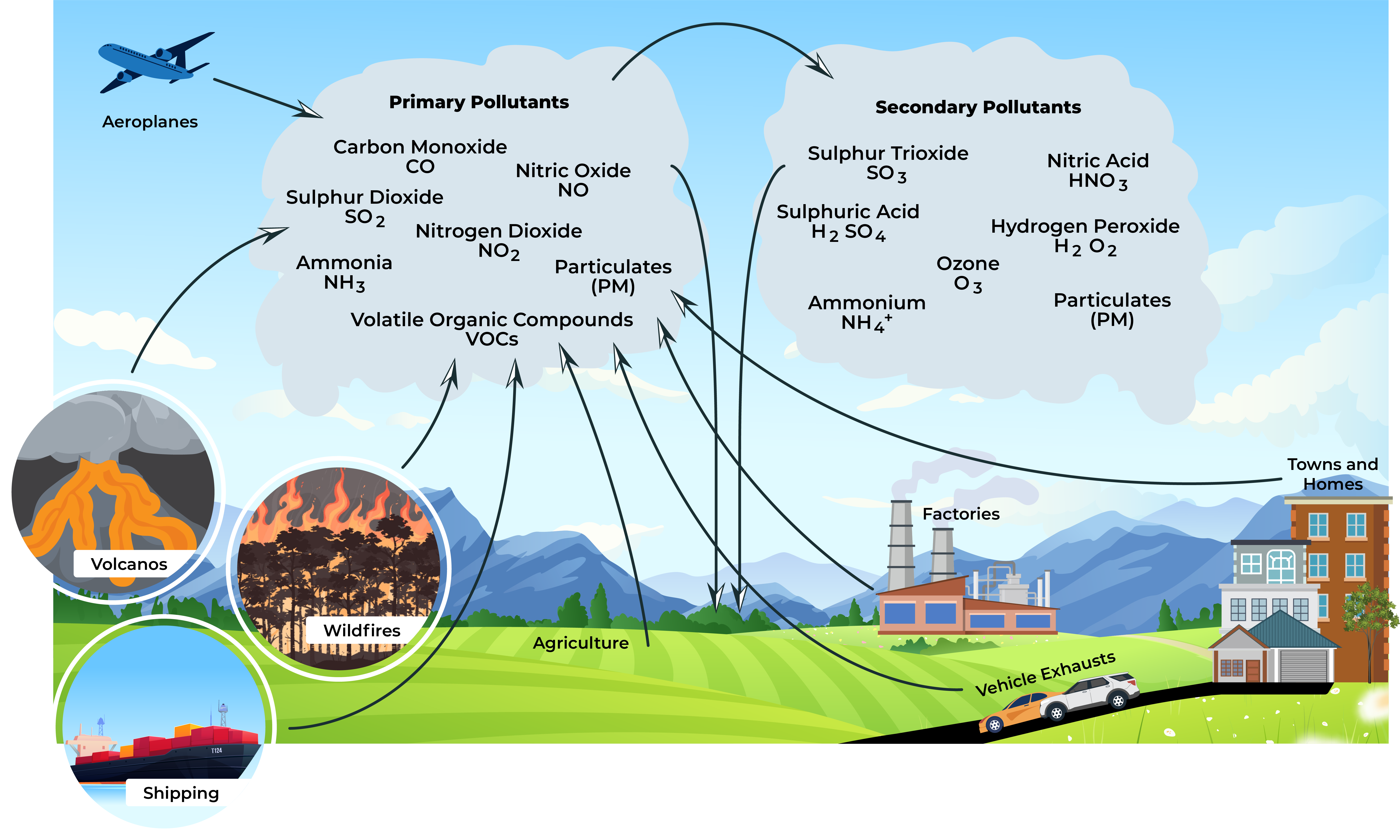
A. Primary Pollutants

are emitted directly from sources such as industrial facilities, automobiles and forest fires.

+
1. Ammonia (NH3) : Colorless, pungent gas aiding PM2.5 formation.
Formation
  • Microbial decomposition
  • Industrial processes
  • Agricultural activities
  • Livestock waste
Sources
  • Fertilizers & Livestock manure
  • Human waste
  • Chemical manufacturing
  • Waste
Health Impacts
  • Eye/Lung irritation
  • Respiratory diseases
  • Cardiovascular diseases
  • Nitrogen pollution
Most At-Risk Groups
  • Farmers
  • Rural/Urban residents
  • Children
  • Asthmatics
2. Asbestos : Carcinogenic fibrous silicate minerals (e.g., chrysotile).
Formation
  • Mined or released during processing/ construction.
Sources
  • Imports (360,000 tonnes/year)
  • Asbestos-cement roofing
  • Corrugated and flat sheets
  • Molded goods and pipes
  • Brake linings and clutch facings for automobiles
  • Insulation & fabrics
Health Impacts
  • Mesothelioma
  • Lung cancer
  • Asbestosis
Most At-Risk Groups
  • Children
  • People working/ living in construction zones
  • Factories & shipyards
  • People living near garbage dumps or land with broken asbestos sheetseets
3. Carbon Dioxide (CO2) : Greenhouse gas, pollutant at high indoor levels.
Formation
  • Complete combustion
  • Respiration
Sources
  • Coal plants
  • Vehicles
  • Cement
  • Biomass burning (49% households)
Health Impacts
  • Headaches
  • Asphyxiation
Most At-Risk Groups
  • Rural households
  • Urban workers
  • Children & elderly
  • Dense communities
4. Carbon Monoxide (CO) : Colorless, odorless, toxic gas.
Formation
  • Incomplete combustion
Sources
  • Vehicle exhausts
  • Stoves and Ovens
  • Boilers
  • Central Vacuum systems
  • Industry
Health Impacts
  • Oxygen deprivation
  • Headaches, Dizziness
  • Cardiovascular stress
  • DEATH
Most At-Risk Groups
  • Rural women/children
  • Urban dwellers
  • Smokers
  • Infants and elderly
5. Lead (Pb) : Neurotoxic heavy metal in particulates/fumes
Formation
  • Processing of lead materials
  • Combustion of lead materials
Sources
  • Battery recycling
  • Smelting
  • Waste incineration
  • Informal recycling in Kolkata, Mumbai
Health Impacts
  • Neurological damage
  • Reduced IQ
  • Hypertension
  • Kidney damage
Most At-Risk Groups
  • Children
  • Pregnant women
  • People working in or living near battery manutacturing & recycling industries
6. Methane (CH4) : Greenhouse gas (GWP 28-36x CO2 over 100 years), aids ozone formation.
Formation
  • Anaerobic decomposition
  • Fossil fuel extraction
Sources
  • Rice paddies
  • Livestock
  • Open landfills
  • Coal mining
Health Impacts
  • Respiratory issues
  • Climate-driven heatwaves
  • Food security
Most At-Risk Groups
  • Farmers
  • Waste workers
  • Urban/rural residents
  • Children and elderly
  • Residents near open landfills
7. Nitrogen Oxides (NOx) : Gases (NO, NO2); NO2 is irritating, reddish-brown.
Formation
  • High temperature combustion
Sources
  • Diesel vehicles
  • Power plants
  • Industrial boilers
  • High real-world emissions.
Health Impacts
  • Lung irritation
  • Asthma
  • COPD
  • Ozone/PM2.5 formation
Most At-Risk Groups
  • Children and elderly
  • Urban residents
  • Dense communities
  • Asthmatics
8. Particulate Matter (PM) : PM10/PM2.5: dust, soot, combustion particles.
Formation
  • Combustion
  • Mechanical processes
  • Natural events
Sources
  • Vehicle
  • Power Plants
  • Construction
  • Wildfires
  • Windblown soil
  • Mining
  • Cooking
  • Heating
  • Air crafts and ships
  • Waste burning etc.
Health Impacts
  • Asthma
  • COPD
  • Heart attacks
  • Lung cancer
  • 0.98M deaths (2019)
Most At-Risk Groups
  • Children and elderly
  • Dense communities
  • Rural women
  • Urban/ rural residents
9. Polycyclic Aromatic Hydrocarbons (PAHs) : Carcinogenic compounds, often PM-bound
Formation
  • Incomplete combustion
Sources
  • Biomass burning
  • Diesel exhausts
  • Tyre pyrolysis (Punjab, Haryana)
  • Candles
  • Perfumes/ air fresheners
  • Dry cleaning fluid
  • Cleaning chemicals
Health Impacts
  • Lung/ skin cancer
  • Asthma
  • Developmental issues
Most At-Risk Groups
  • Rural women/ children
  • Urban dwellers
  • Tyre pyrolysis workers
  • Pregnant womek
10. Radon : Radioactive gas, primarily indoor
Formation
  • Uranium/ radium decay in soil/ rocks
Sources
  • Uranium-rich areas
  • Building materials
  • Mining
  • Mountainous dwellings
  • Urban areas with very low water table.
Health Impacts
  • Lung cancer (2nd leading cause after smoking)
Most At-Risk Groups
  • Smokers
  • Radon-prone area residents
  • People in mining industry
  • People living In structures having cracks
11. Silica (Crystalline Silica Dust) : Fine dust from sand/stone, occupational hazard.
Formation
  • Cutting/ grinding silica materials
Sources
  • Quarries
  • Construction
  • Agate grinding
  • Cement
Health Impacts
  • Silicosis
  • Lung cancer
  • Silico-tuberculosis
  • COPD
Most At-Risk Groups
  • People in mining
  • constructions & stone trading
  • women/ children near industrial areas
12. Sulfur Dioxide (SO2) : Pungent gas, aids PM2.5/acid rain.
Formation
  • Sulfur fuel combustion
Sources
  • Coal power plants
  • Industry (steel, cement)
  • Vehicles
Health Impacts
  • Asthma
  • Bronchitis
  • Heart disease
  • PM2.5 risks.
Most At-Risk Groups
  • Asthmatics
  • Children and elderly
  • industrial workers/ staff
13. Sulfur Hexafluoride (SF6) : Greenhouse gas (GWP 23,500x CO2)
Formation
  • Synthetic production
Sources
  • Electrical equipment
  • switchgears
  • magnesium/ semiconductor production
  • Leaks in urban/ industrial areas
Health Impacts
  • Asphyxiation
  • decomposition products irritate lungs
14. Volatile Organic Compounds (VOCs) : : Organic chemicals (e.g., benzene), aid ozone/PM2.5.
Formation
  • Combustion
  • Evaporation
Sources
  • Vehicle exhausts
  • Paints
  • lyre pyrolysis
  • Industry
  • Indoor VOCs in urban homes.
Health Impacts
  • Eye/ throat irritation
  • Cancer (benzene)
  • Neurological damage
Most At-Risk Groups
  • Urban residents
  • People exposed to chemicals
  • Children
15. Mercury : A heavy, silvery-white metal that is liquid at room temperature. Highly toxic in its organic ^ and vapor forms.; becomes secondary in ecosystems.
Formation
  • Gaseous Elemental Mercury (Hgº) is emitted to air from natural (30%) and human sources (70%).
  • Hgo oxidizes to form Inorganic/lonicMercury (Hg2+) compounds (e.g., HgCl2).
  • These soluble inorganic compounds fall to land and water via rain or dust.
  • In water bodies, dissolved Inorganic Mercury (Hg2+) is converted by microbes into Organic Mercury (Methylmercury, CH3Hg+).
  • In a parallel process, some Hg2+ in soil water can be reduced back to Elemental Mercury (Hgo), which evaporates, restarting the cycle.
Sources
  • Anthropogenic (Human-Induced): Accounts for ~70% of global emissions.
  • Coal combustion in power plants
  • Burning of petcoke in boilers and cement kilns
  • Mercury imports for industrial usage
  • Artisanal and small-scale gold mining
  • Industrial processes
  • Waste burning
  • Informal Battery recycling
  • GEM from East and SouthEast Asia
    Natural:
  • Volcanic eruptions, forest fires (~30% of emissions).
Health Impacts
  • Affects Central Nervous System (Brain), lungs, kidneys, gastrointestinal tract, kidneys, skin.
  • Severe chest pain, bronchitis, pneumonitis, pulmonary edema
  • Insomnia, headaches.
  • Minamata Disease, Mad Hatters Disease
B. Secondary Pollutants

are formed through atmospheric chemical reactions between primary pollutants and other substances in the atmosphere, often with the help of sunlight.

+
16. Formaldehyde : Volatile Organic Compound (VOC) - Colorless, pungent gas, carcinogenic, formed in photochemical reactions
Formation
  • Photochemical oxidation of VOCS (e.g., methane, alkenes) in the presence of sunlight and Nox or in high temperatures and humidity
Sources
  • Urban vehicle emissions (Delhi, Mumbai);
  • Industrial VOCs from paints, adhesives
  • Biomass burning (Punjab, • Respiratory issues Haryana);
  • Petrochemical industries, paper, cardboard
Health Impacts
  • Carcinogenic (nasopharyngeal, leukemia)
  • Eye/ nose/ throat irritation
  • Respiratory issues (asthma, bronchitis)
  • Neurological effects (headaches).
Most At-Risk Groups
  • Urban residents (Delhi, Mumbai);
  • Industrial workers
  • Children (respiratory sensitivity)
  • Asthmatics
  • Dense communities near traffic/ industries.
17. Nitric Acid (HNO3) : Acid Gas - Corrosive acid gas, contributes to acid rain and PM2.5.
Formation
  • Oxidation of NOx (NO2) in the atmosphere
  • Reacting with water vapor or hydroxyl radicals.
Sources
  • NOx from diesel vehicles (Delhi)
  • Coal power plants (Chhattisgarh, Odisha)
  • Industrial boilers
  • High in urban and industrial zones.
Health Impacts
  • Respiratory irritation (bronchitis, asthma)
  • Contributes to PM2.5-related cardiovascular diseases
  • Acid rain impacts lung health indirectly
Most At-Risk Groups
  • Urban residents
  • Industrial workers
  • Children (developing lungs)
  • Elderly (pre-existing conditions)
  • Dense communities near highways/factories.
18. Ozone (03): Reactive Cas - Colorless, reactive gas, harmful at ground level, formed in photochemical smog.
Formation
  • Photochemical reaction of NOx and VOCs in sunlight
  • Enhanced by heat.
Sources
  • NOx from vehicles (Delhi, Bengaluru)
  • VOCs from industry
  • Crop burning (Punjab, Haryana)
  • Urban and rural hotspots during summer
Health Impacts
  • Respiratory damage (asthma, COPD Reduced lung function)
  • Cardiovascular stress
  • Premature mortality
Most At-Risk Groups
  • Children (lung development)
  • Elderly (respiratory issues)
  • Outdoor workers (farmers, vendors)
  • Asthmatics
  • Rural/ urban residents in high-ozone areas.
19. Peroxyacyl Nitrates (PAN): Reactive Organic Compound - Irritating, toxic compounds in photochemical smog.
Formation
  • Reaction of VOCs with NOx in sunlight, forming peroxyacyl radicals.
Sources
  • Vehicle emissions (Mumbai, Delhi)
  • Industrial VOCs
  • Crop residue burning (Punjab, Haryana)
  • Urban smog in summer
Health Impacts
  • Eye irritation
  • Respiratory damage (bronchitis, asthma)
  • Potential carcinogenic effects
  • Aggravates lung conditions.
Most At-Risk Groups
  • Urban residents
  • Outdoor workers (traffic police, vendors)
  • Children
  • Asthmatics
  • Dense communities in polluted cities.
20. Secondary Particulate Matter (PM2.5/PM1O) : Aerosol - Fine particles formed in atmosphere, including ammonium sulfates/ nitrates.
Formation
  • Reactions of precursor gases (NH3,502, NOx) forming particles
  • Includes sulphate/nitrate aerosols
Sources
  • NH3 from agriculture (Punjab, UP)
  • SO2/NOx from coal plants
  • Vehicles (Delhi, Chhattisgarh)
  • Crop burning
Health Impacts
  • Respiratory diseases (asthma, COPD)
  • Cardiovascular issues (heart attacks)
  • Lung Cancer
Most At-Risk Groups
  • Children and elderly
  • Dense communities near industries
  • Rural women (biomass exposure)
  • Urban residents.
21. Sulphate Aerosols : Aerosol - Fine particles of sulfate compounds, component of PM2.5, contribute to haze.
Formation
  • Oxidation of SO2 from combustion
  • Forming sulfate particles in the presence of water or ammonia.
Sources
  • Coal power plants (Chhattisgarh, Odisha)
  • Industrial emissions (steel, cement)
  • Vehicle exhausts
  • High in Indo-Gangetic Plains
Health Impacts
  • Respiratory irritation (asthma, bronchitis)
  • Cardiovascular diseases via PM2.5
  • Reduced lung function
  • Acid rain-related health impacts.
Most At-Risk Groups
  • Industrial workers
  • Urban/rural residents in polluted regions
  • Children and elderly
  • Communities near coal plants
22. Sulfuric Acid (H2SO4) : Acid Gas - Corrosive acid gas, key contributor to acid rain and PM2.5.
Formation
  • Oxidation of SO2 in the atmosphere
  • Reacting with water vapor or other oxidants.
Sources
  • SO2 from coal-fired power plants (Chhattisgarh, Odisha)
  • Industrial processes (steel, cement)
  • Thermal plants dominate emissions
Health Impacts
  • Respiratory irritation (asthma, bronchitis)
  • PM2.5-related heart/ lung diseases
  • Acid rain impacts respiratory health indirectly
Most At-Risk Groups
  • Industrial workers
  • Communities near power plants
  • Children (respiratory sensitivity)
  • Elderly
  • Low-income groups in industrial zones

C. Persistent Organic
Pollutants (POPs)

are synthetic chemicals that remain in the environment for a long time and bioaccumulate in living organisms.

+
23. DDT : Pesticide - Organochlorine insecticide, persistent and bioaccumulative, used for pest and malaria control.
Formation
  • Synthesized chemically for agricultural and vector control
Sources
  • Restricted use for malaria control (Stockholm Convention exemption)
  • Legacy contamination in soil/ water from past agricultural use (Punjab, UP)
  • illegal stockpiles
Health Impacts
  • Carcinogenic (breast, liver cancer)
  • Endocrine disruption (reproductive issues, diabetes)
  • Neurological damage (tremors, developmental delays)
Most At-Risk Groups
  • Agricultural workers (Punjab, UP)
  • Communities near contaminated sites
  • Children (developmental risks)
  • Pregnant women (fetal exposure)
  • People exposed to contaminated food/water
24. Endosulfan : Pesticide - Organochlorine insecticide, highly toxic and persistent, used on crops.
Formation
  • Synthesized for agricultural pest control
Sources
  • Banned in 2011
  • Persists in soil/ water from past use on plantations (e.g., cashew, tea in Kerala, Karnataka)
  • Illegal use in some areas.
Health Impacts
  • Neurotoxic (seizures, congenital disorders)
  • Endocrine disruption (infertility)
  • Carcinogenic (liver cancer)
  • Acute poisoning (respiratory failure)
Most At-Risk Groups
  • Former plantation workers
  • Rural communities near contaminated sites
  • Children (congenital defects)
  • Pregnant women
  • Fish-consuming populations.
25. Hexachlorobenzene (HCB) Pesticide/ Byproduct-Organochlorine fungicide and industrial byproduct, persistent and bioaccumulative.
Formation
  • Synthesized as a fungicide
  • Formed as a byproduct in chemical manufacturing
  • Combustion.
Sources
  • Legacy use as seed treatment in agriculture (Punjab, Haryana)
  • Byproduct from pesticide production
  • Waste incineration
  • Chemical industries (Vapi, Gujarat)
Health Impacts
  • Carcinogenic (liver, thyroid cancer)
  • Neurological damage (tremors)
  • Endocrine disruption (thyroid dysfunction)
  • Skin lesions (porphyria)
Most At-Risk Groups
  • Agricultural workers (legacy exposure)
  • People working in chemical plants
  • Communities near waste incineration sites
  • Children
26. Lindane (gamma-HCH) : Pesticide - Organochlorine insecticide, persistent used for crops and medical treatment.
Formation
  • Synthesized for agricultural and pharmaceutical use
Sources
  • Banned but persists from past crop use (Punjab, UP)
  • Historical medical use for lice/ scabies
  • Soil/ water contamination
Health Impacts
  • Carcinogenic (liver cancer)
  • Neurotoxic (seizures, dizziness)
  • Endocrine disruption (reproductive issues)
  • Blood disorders.
Most At-Risk Groups
  • Agricultural workers
  • Rural communities near contaminated farmland
  • Children (developmental risks)
  • Low income groups
  • Populations exposeo to contaminated groundwater
27. Perfluorooctane Sulfonic Acid (PFOS) : Industrial Chemical - Fluorinated compound, persistent, used in coatings and foams.
Formation
  • Synthesized for industrial applications.
Sources
  • Industrial runoff from textiles
  • Electronics
  • Firefighting foams
  • E-waste recycling (Bengaluru, Chennai)
  • Shipbreaking (Alang, Gujarat)
  • Contaminated water bodies.
Health Impacts
  • Carcinogenic (liver, kidney cancer)
  • Thyroid dysfunction
  • Immune suppression
  • Developmental delays in children
Most At-Risk Groups
  • E-waste workers
  • Shipbreaking workers
  • Coastal communities near industrial runoff
  • Children (developmental risks)
  • Populations consuming contaminated fish
28. Polychlorinated Biphenyls (PCBs) : Industrial Chemical - Synthetic organochlorines, persistent, used in electrical equipment.
Formation
  • Synthesized for industrial use in transformers, capacitors
Sources
  • Legacy transformers/ capacitors (Mumbai, Delhi)
  • Shipbreaking (Alang, Cujarat)
  • E-waste recycling (Seelampur, Delhi)
  • Landfill leaks
  • ELECTRICAL WIRING
Health Impacts
  • Carcinogenic (liver, Skin cancer)
  • Neurotoxic (cognitive impairment)
  • Endocrine disruption (reproductive, thyroid issues)
  • Immune suppression
Most At-Risk Groups
  • E-waste/ shipbreaking workers
  • Urban communities near old electrical equipment
  • Children (developmental risks)
  • Residents near contaminated sites.
29. Polychlorinated Dibenzo-p-Dioxins (PCDDs, Dioxins) : Byproduct - Highly toxic organochlorines, unintentional (PCDDs, Dioxins) combustion byproducts.
Formation
  • Formed during incomplete combustion of chlorine-containing materials
Sources
  • Open waste burning (Delhi's Bhalswa landfill)
  • Industrial incineration
  • Biomass burning (rural households)
  • Chemical manufacturing (Tamil Nadu)
Health Impacts
  • Carcinogenic (lung, soft tissue cancer)
  • Reproductive/ developmental toxicity
  • Immune suppression
  • Chloracne (skin disorder)
Most At-Risk Groups
  • Waste workers
  • Rural households using biomass
  • Communities near incinerators
  • Children
  • Pregnant women
  • Low-income groups
30. Polychlorinated Dibenzofurans (PCDFs, Furans) : Byproduct - Toxic organochlorines, similar to dioxins, unintentional byproducts.
Formation
  • Formed during combustion processes with chlorine
Sources
  • Open waste burning (urban slums, rural areas)
  • Industrial incineration
  • Metallurgical processes
  • Biomass burning
Health Impacts
  • Carcinogenic (similar to dioxins)
  • Reproductive toxicity
  • Immune system damage
  • Skin disorders.
Most At-Risk Groups
  • Waste workers
  • Rural women/ children (biomass exposure)
  • Communities near industrial zones
  • Pregnant women
  • Dense communities
31. Polybrominated Diphenyl Ethers (PBDEs) : Industrial Chemical - Brominated flame retardants, persistent, used in electronics/textiles.
Formation
  • Synthesized for flame-retardant applications
Sources
  • E-waste recycling (Bengaluru, Chennai, Delhi)
  • Electronics manufacturing
  • Landfill leachate
  • Imported second-hand goods
Health Impacts
  • Endocrine disruption (thyroid dysfunction)
  • Neurotoxic (developmental delays)
  • Carcinogenic potential
  • Immune suppression.
Most At-Risk Groups
  • E-waste workers
  • Urban residents near recycling sites
  • Children (developmental risks)
  • Dense communities
  • Populations near landfills
32. Phthalates : Industrial Chemical - Esters of phthalic acid (e.g., DEHP, DBP) used as plasticizers in plastics, silicone.
Formation
  • Volatilization as VOCs when heated
  • Adsorption onto dust as PM
Sources
  • Low-quality silicone utensils
  • All plastics
  • Cosmetics (Mumbai apartments)
  • Industrial emissions (Delhi NCR)
Health Impacts
  • Endocrine disruption (infertility, obesity)
  • Asthma
  • Potential cancer risk.
Most At-Risk Groups
  • Children
  • Pregnant women
  • Apartment residents
  • Cooks
  • Low-income urban households
  • Plastic industry workers.
33. Silicone Toxins (cVMS, Formaldehyde) : Industrial Chemical - Cyclic volatile methyl siloxanes (D4, D5) and formaldehyde from heated silicone Formation
Formation
  • Direct emission as VOCS during cooking
  • Adsorption onto dust
Sources
  • Low-quality silicone spatulas
  • Bakeware (Bengaluru homes)
  • Sealants
  • Cosmetics
Health Impacts
  • Endocrine disruption
  • Respiratory irritation
  • Asthma
  • Formaldehyde Cancer risk
Most At-Risk Groups
  • Cooks
  • Children
  • Elderly
  • Apartment residents
  • Offices with aluminium windows/ partitions
  • Women using cosmetics

D. Biaoerosols

are airborne particles of biological origin such as virus, bacteria, fungi, pollen and endotoxins, which can impact health but are NOT chemical pollutants.

+

Bioaerosols - Non Animal Bioaerosols

34. Allergens (Non-Pollen) : Proteins from biological sources like damp, mould, triggering allergic responses.
Formation
  • Aerosolization of organic debris through disturbance or air movement.
Sources
  • Household dust in urban homes (Mumbai, Chennai)
  • Moldy surfaces in humid areas.
Health Impacts
  • Allergic rhinitis
  • Asthma
  • Eczema
  • Exacerbates respiratory issues
Most At-Risk Groups
  • Children (sensitive immune systems)
  • Asthmatics
  • Elderly
  • Congested living areas
  • Urban residents in humid, cramped homes
35. Bacteria : Single-celled microorganisms (e.g., Mycobacterium tuberculosis, Legionella, Bacillus), aerosolized as spores or cells.
Formation
  • Aerosolization from soil or water sources via disturbance
  • Evaporation, or respiratory droplets
Sources
  • Agricultural fields (Punjab, UP)
  • Stagnant water (Kerala floods)
  • Waste dumps (Chazipur, Delhi)
  • Overwatered indoor plants (Mumbai)
Health Impacts
  • Intections (tuberculosis, Legionnaires disease)
  • Allergic reactions
  • Endotoxins causing inflammation
Most At-Risk Groups
  • Children and elderly
  • Immunocompromised
  • Agricultural workers
  • Waste handlers
  • Dense communities
  • Healthcare workers
36. Biofilms and Microbial Volatile Organic Compounds (MVOCs): Aerosolized biofilm fragments or volatile compounds (e.g., alcohols, ketones) from bacterial/ fungal metabolism.
Formation
  • Aerosolization of biofilm particles or volatilization of microbial metabolites in humid conditions
Sources
  • Moldy walls in humid homes (Kolkata, Mumbai)
  • Overwatered plant soil
  • Sewage systems
  • Waste sites (Delhi)
Health Impacts
  • Respiratory irritation
  • Headaches
  • Musty odors triggering allergies
  • Potential neurotoxic effects
Most At-Risk Groups
  • Children
  • Asthmatics
  • Elderly
  • Households with poor ventilation
  • Urban residents in monsoon-affected areas
37. Endotoxins : Lipopolysaccharides from gram-negative bacterial cell walls, released upon cell lysis.
Formation
  • Aerosolization of bacterial debris from dust, water, or organic matter disturbance
Sources
  • Agricultural dust (Punjab)
  • Sewage treatment plants
  • Livestock farms (UP)
  • waste dumps (Delhi)
Health Impacts
  • Respiratory inflammation
  • Fever
  • Asthma exacerbation
  • Toxic pneumonitis
Most At-Risk Groups
  • Agricultural workers
  • Waste handlers
  • Children and elderly
  • Residential communities near farms or dumps
38. Fungal Spores : Reproductive spores from molds/ fungi (e.g., Aspergillus, Penicillium), often < 10 µm,, easily airborne.
Formation
  • Aerosolization of spores from fungal growth via air currents or disturbance
Sources
  • Damp indoor spaces (Mumbai apartments)
  • Decaying vegetation
  • Agricultural fields (Haryana)
  • Waste piles (Delhi).
Health Impacts
  • Allergic rhinitis
  • Asthma
  • Invasive infections (aspergillosis in immunocompromised)
Most At-Risk Groups
  • Children and elderly
  • Immunocompromised
  • Dense communities
  • Agricultural workers
  • Urban residents in humid homes
39. Pollen Grains : Microscopic grains from flowering plants (e.g., grasses, Parthenium weeds), released seasonally.
Formation
  • Aerosolization of pollen during plant reproduction, carried by wind or disturbance
Sources
  • Outdoor vegetation
  • Indoor flowering plants (Bengaluru homes)
  • Agricultural fields (Punjab)
Health Impacts
  • Allergic rhinitis
  • Asthma
  • Conjunctivitis
  • Worsens respiratory issues in polluted areas
Most At-Risk Groups
  • Allergy sufferers
  • Children
  • Asthmatics
  • Urban residents
  • Agricultural workers
  • Dense communities
40. Protozoa and Algal Fragments : Rare aerosolized single-celled organisms (e.g., amoebae) or algal cell fragments from water bodies
Formation
  • Aerosolization from water via evaporation, splashing, or wind.
Sources
  • Stagnant water (Kolkata floods)
  • Algal blooms in lakes (Bellandur, Bengaluru)
  • Coastal areas (Chennai)
Health Impacts
  • Rare infections (e.g., Naegleria fowleri)
  • Allergic reactions
  • Respiratory irritation
Most At-Risk Groups
  • Children
  • Immunocompromised
  • Coastal communities
  • People living near polluted water bodies.
41. Viruses : Microscopic infectious agents (e.g., influenza, SARS-CoV-2), transmitted via respiratory droplets or aerosols.
Formation
  • Aerosolization through coughing, sneezing, or contaminated water evaporation
Sources
  • Crowded urban slums (Delhi, Mumbai)
  • Public transport
  • Monsoon-flooded areas (Kerala)
Health Impacts
  • Respiratory infections (e.g., COVID-19, influenza)
  • Fever
  • Systemic illness
  • High mortality in severe cases
Most At-Risk Groups
  • Children
  • Elderly
  • Immunocompromised
  • Dense communities
  • Healthcare workers
  • Public transport users

Bioaerosols - Animal Bioaerosols

42. Bacteria : Bacteria (e.g., Salmonella, Leptospira, Chiamydia psittaci) in animal droppings, urine, or saliva.
Formation
  • Aerosolization of dried droppings/ urine from human/ animal sources via wind, disturbance
  • Respiratory droplets
Sources
  • Bird droppings (crows, sparrows in Delhi)
  • Rodent waste (Dharavi slums)
  • Livestock manure (Punjab farms)
  • Stray dogs (Chennai)
  • Human feces (Delhi)
Health Impacts
  • Salmonellosis
  • Leptospirosis
  • Psittacosis
  • Infections (TB, diarrhea)
  • Respiratory irritation.
Most At-Risk Groups
  • Children
  • Elderly
  • Immunocompromised;
  • People residing near waste
  • Farmers
  • Waste handlers
  • Street vendors.
43. Fungal Spores : Spores from fungi (e.g., Cryptococcus, Histoplasma) in bird or bat droppings.
Formation
  • Fungi grow in moist droppings
  • Aerosolizing spores when dried or disturbed
Sources
  • Crow/ Myna droppings (Mumbai parks)
  • Bat roosts (Kerala)
  • Monkey waste (Varanasi temples)
Health Impacts
  • Cryptococcosis (meningitis)
  • Histoplasmosis (lung disease)
  • Allergic asthma
Most At-Risk Groups
  • Immunocompromised
  • Elderly
  • Children
  • Urban residents
  • Temple visitors
  • Dense communities
44. Allergens (Non-Pollen) : Proteins in animal dander, fur, feathers, or droppings, triggering allergies.
Formation
  • Aerosolization of dander/ feathers during movement
  • dried droppings fragment.
Sources
  • Stray dogs/ cats (Delhi streets)
  • Cow dander (NCR fringes)
  • Rodent dander (Bengaluru markets)
  • Bird feathers (Jaipur)
  • Household dust in urban homes (Mumbai, Chennai)
  • Household pets & insects
Health Impacts
  • Allergic rhinitis
  • Asthma
  • Hypersensitivity pneumonitis
Most At-Risk Groups
  • Asthmatics
  • Children
  • Elderly
  • Pet owners
  • Dense communities
  • Street vendors
  • Apartment residents
45. Viruses : Viruses (e.g., hantavirus, Nipah) in rodent or bat secretions, rarely airborne.
Formation
  • Aerosolization of urine/ droppings (rodents) or respiratory droplets (bats)
Sources
  • Rat urine in slums (Mumbai)
  • Bat roosts in rural Kerala
Health Impacts
  • Hantavirus pulmonary syndrome
  • Nipah (rare)
  • Respiratory infections
Most At-Risk Groups
  • Children
  • Immunocompromised
  • Rural residents (Kerala)
  • Dense communities
  • Waste handlers
46. Endotoxins : Lipopolysaccharides from bacterial waste of rodents, livestock, dogs.
Formation
  • Aerosolization of dried feces/ urine during disturbance
Sources
  • Rodent waste (Delhi markets)
  • Livestock manure (UP farms)
  • Stray dog feces (Hyderabad)
  • Human feces (Delhi)
Health Impacts
  • Respiratory inflammation
  • Fever
  • Asthma exacerbation
Most At-Risk Groups
  • Farmers
  • Waste handlers
  • Children
  • Elderly
  • Dense communities
  • Peri-urban residents

Please note that individuals with pre-existing conditions and comorbidities are affected by all pollutants, depending upon their physiology.

Although some air pollutants are solely anthropogenic, many may also result from natural processes.

Invisible, Indestructible, and Bioaccumulating Inside You:

The Most Dangerous Pollutants of the 21st Century

PFAS (Per- and Polyfluoroalkyl Substances)

PFAS are a group of thousands of man-made chemicals with a strong carbon-fluorine bond, making them resistant to environmental degradation due to heat, grease, and water. They are called "forever chemicals" due to their persistence, and have been under use in many common products like nonstick cookware, water-resistant fabrics, hygiene products, cosmetics and food packaging, since the 1950s.

People are exposed through contaminated food, water, and contact with contaminated products. In the semiconductor industry, which generates PFAS-laden wastewater, PFAS pose a unique challenge with concentrations as high as 78,000 ppt in wastewater streams, vastly exceeding regulatory limits of 4ppt.

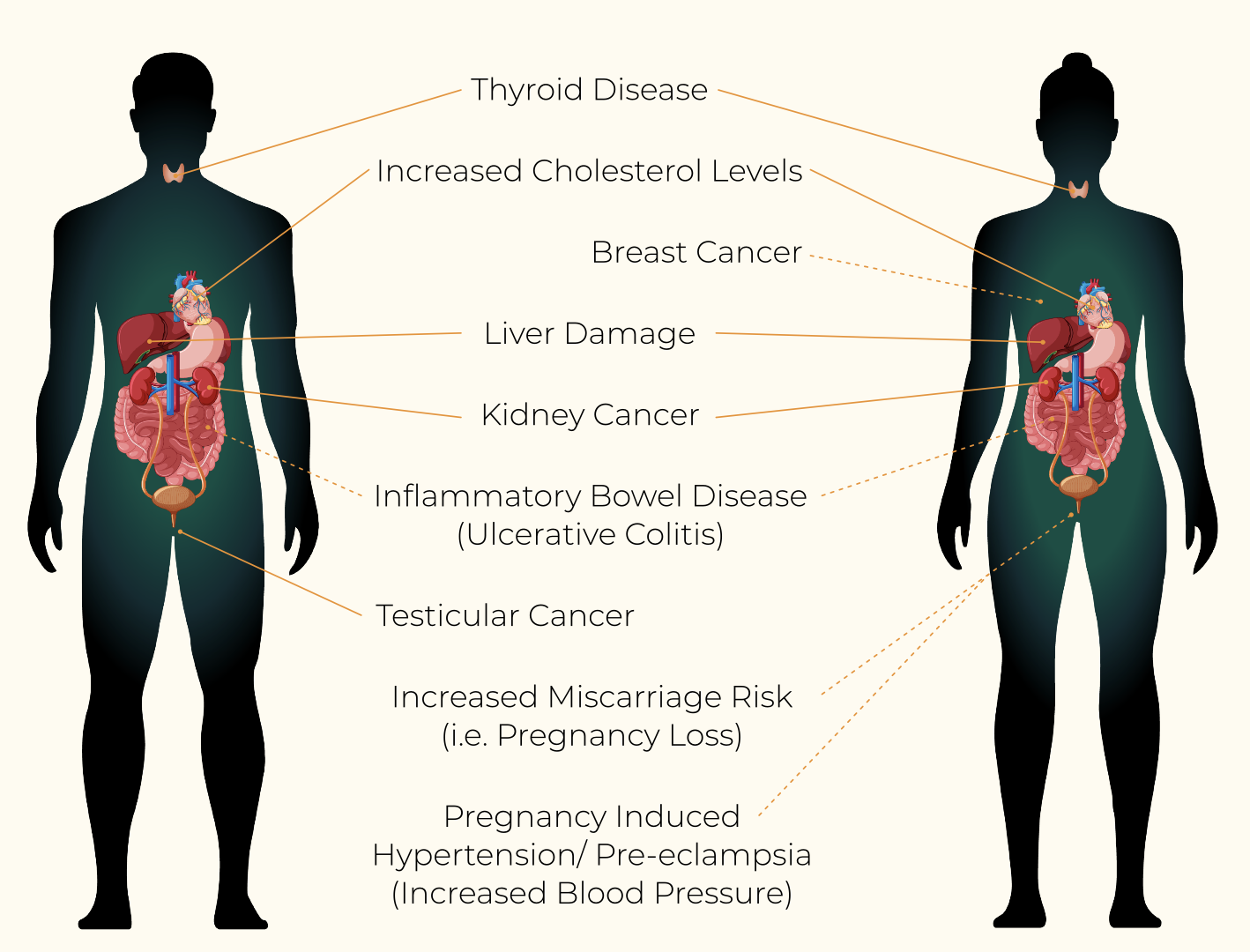
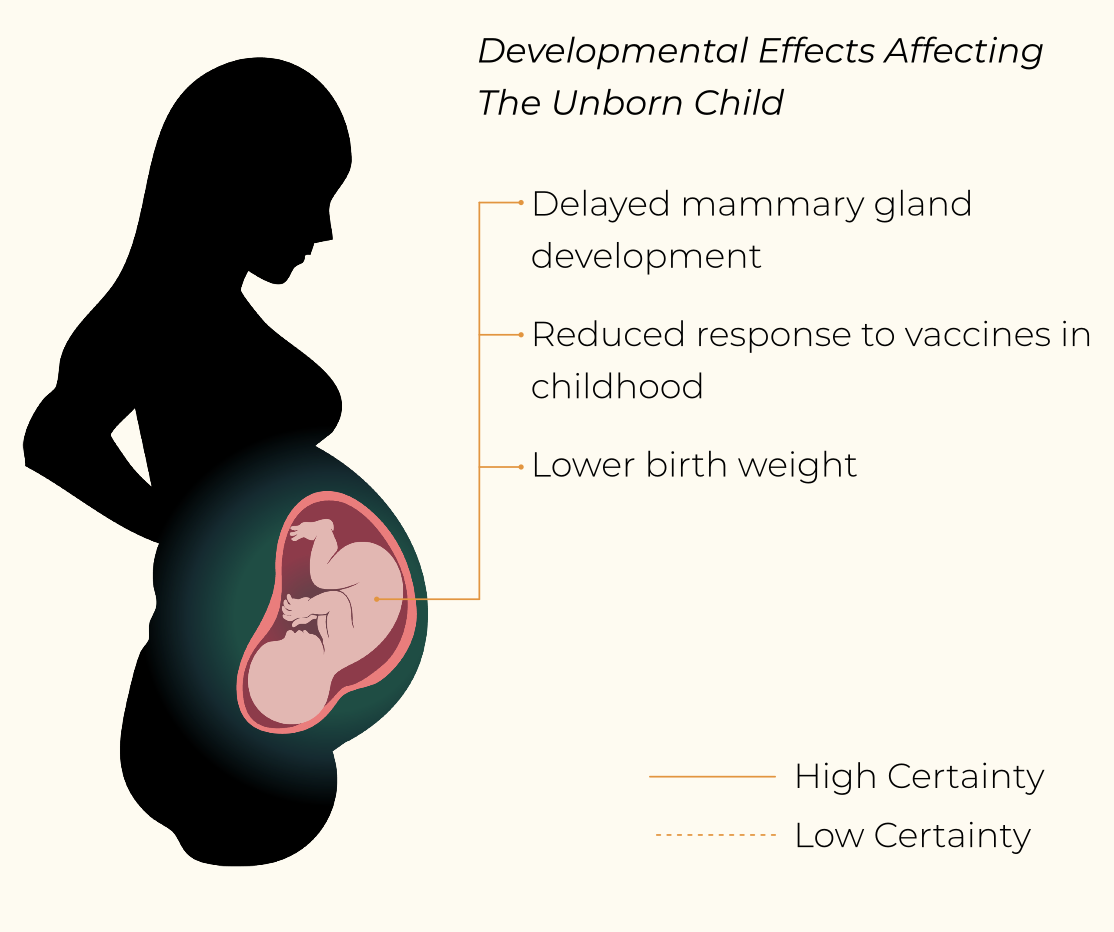
Studies show potential associations between PFAS exposure and various health effects, including altered immune and thyroid function, liver disease, lipid and insulin dysregulation, kidney disease, adverse reproductive and developmental outcomes and even cancer - liver, testicular and pancreatic.

PFAS Impact On Human Health

PFAS Impact 1
PFAS Impact 2

PFAs are found everywhere on Earth, even in Antarctica, and cover everything from air, land, water, plants and every living creature including humans, resulting in a massive worldwide contamination. They bioaccumulate in the environment and living organisms by binding to proteins in the blood, liver, and other tissues, particularly for long-chain molecules. There are approximately 18,000 types of PFAS, making it an extremely large and diverse class of chemicals.

PFAS are not banned or even regulated in India. While India is a party to the Stockholm Convention, which includes restrictions on certain PFAS like PFOS, India has not adopted the amendment that would regulate PFOS or other PFAS substances according to the International Pollutants Elimination Network (IPEN).

Microplastics

Microplastics are plastic particles less than 5 millimeters in size, originating from primary sources like cosmetics or the breakdown of larger plastic items, and are a major environmental and health concern.

They enter ecosystems through sources like synthetic clothing, plastic products and tire wear and are found in diverse environments, including oceans, air, and soil, and are ingested, inhaled or absorbed by humans through contaminated food, water, and personal care products.

MPs originate from various sources, including plastic waste, vehicle tires, synthetic textiles, and personal-care products, and have been increasingly detected in human environments (including the food chain), water, and air- and even found in the placenta.

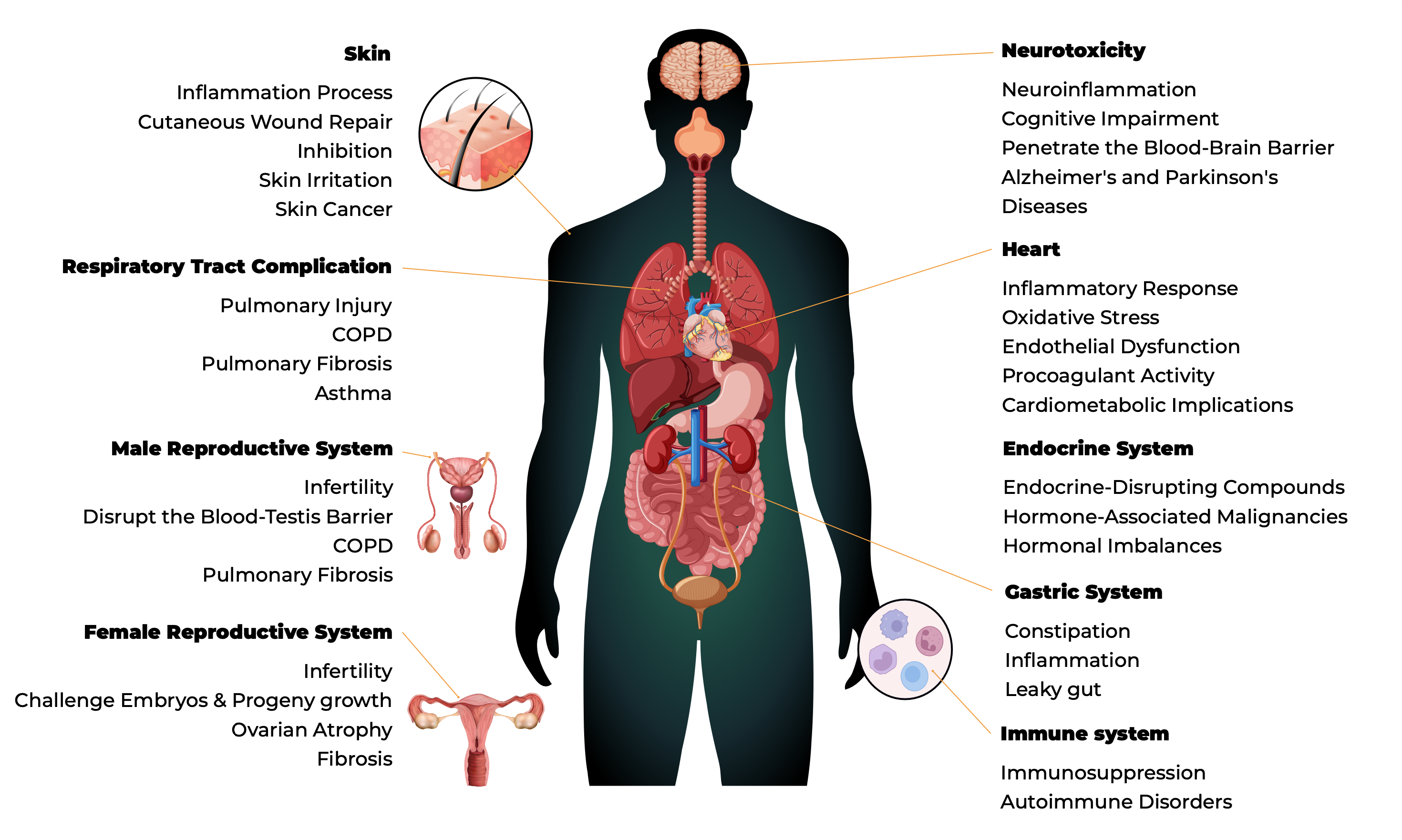
Bioaccumulation of MPs may harm human health, trigger inflammation, and cause cellular stress. Evidence is mounting that MPs can have global consequences on the general population by possibly inciting inflammatory responses leading to chronic diseases. They can interfere with endocrine function, suppress immune responses, and serve as vectors for harmful chemicals and pathogens

Though the concrete links to certain diseases are still in limbo, it follows that MPs accumulating on and within an organism is not good. Reduction in plastic pollution and additional research into toxicity will be vital for reducing potential health risks that may not yet be fully understood with regard to its impact on human well-being.

Potential Human Health Effects of Microplastics