Air pollution in India persists due to a complex interplay of structural, environmental, and human factors
unique to its densely populated urban landscape. There are 10 key reasons behind Indias escalating air
quality crisis.
1
TRAP
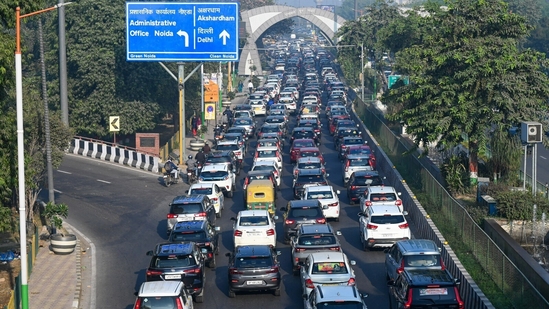
Traffic Related Air Pollution
Traffic jams have become a common traffic occurrence today and the problem is exponential in
India due to its concentrated development in small areas.
2
BUILDING DOWNWASH
A Civil Engineering Challenge
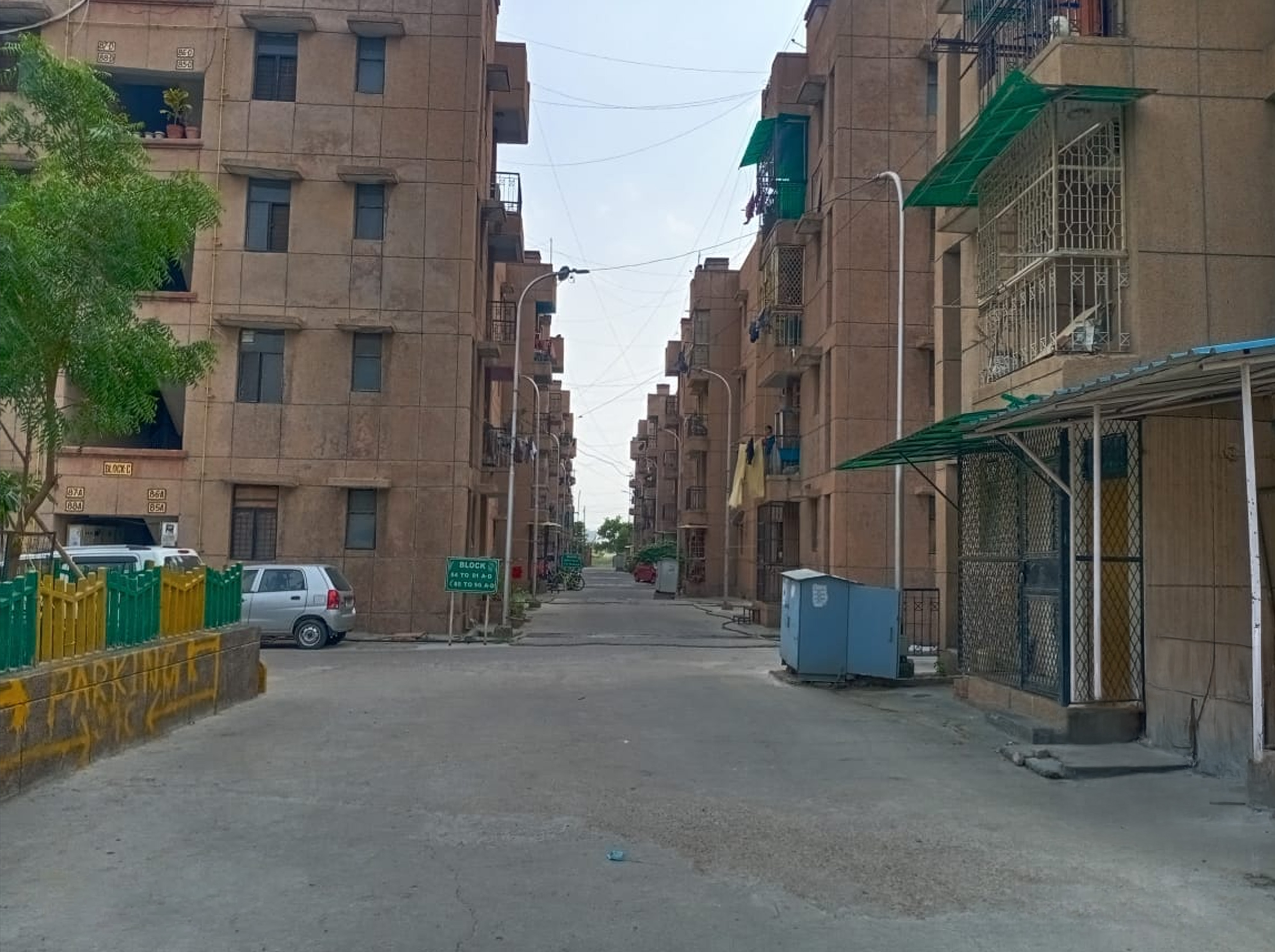
A major reason for the prevalence of air pollution in India is its high population density.
This problem can also be explained in terms of civil engineering — building downwash, which
creates a unique situation.
3
STREET CANYONS
Poor Urban Design
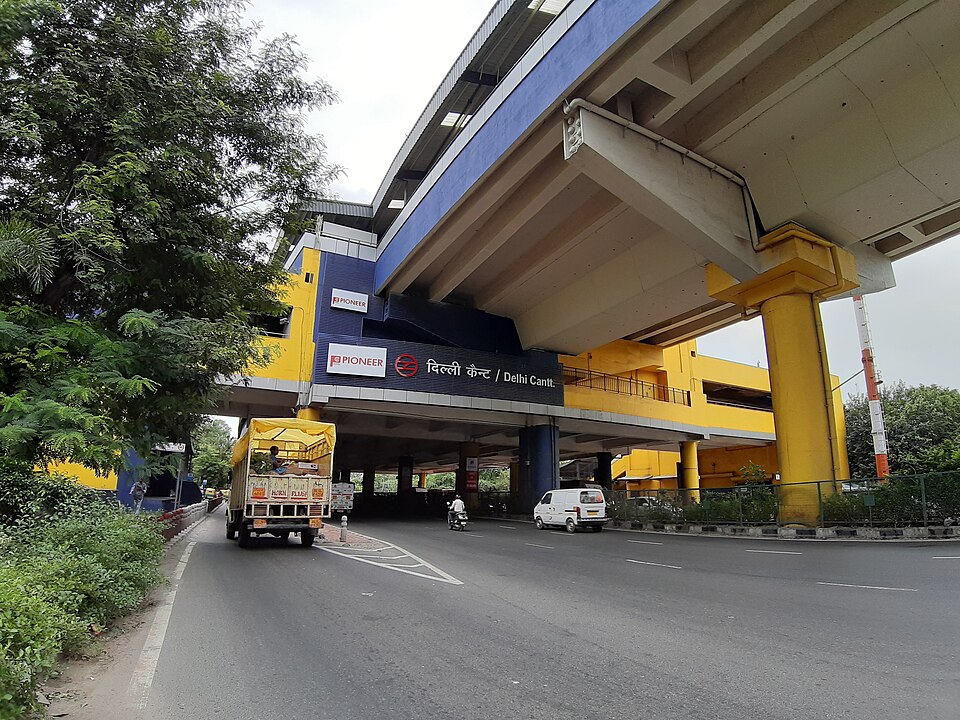
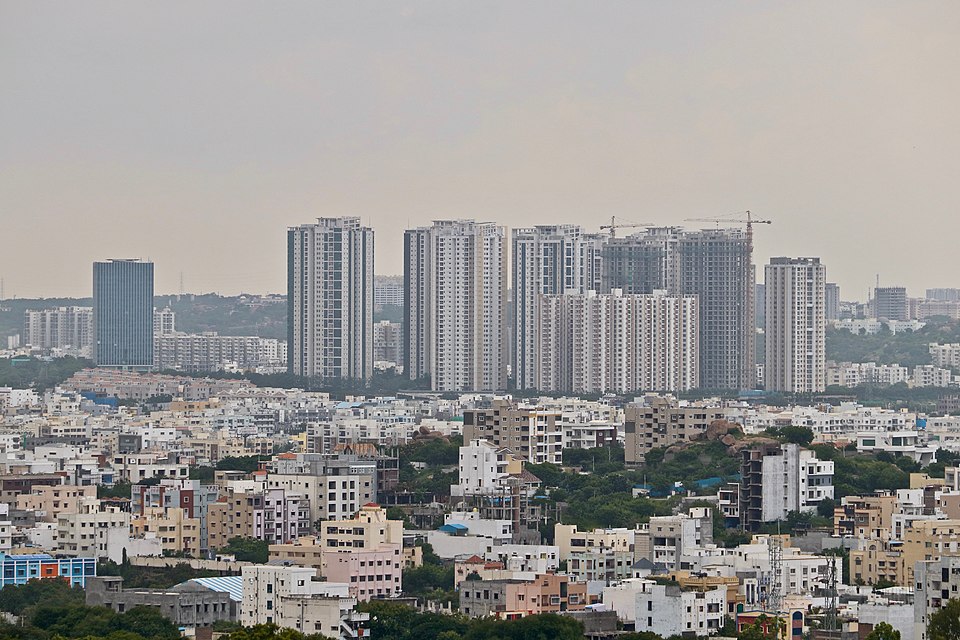
Haphazard construction of bridges, high-rises, and other structures has led to development
in a way that literally traps polluted air through the Street Canyon effect. This is
especially evident in many Indian cities.
4
THE CANOPY EFFECT
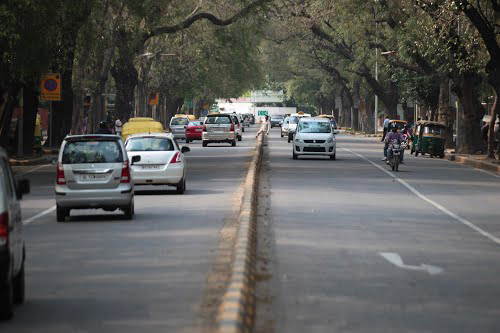
When Trees Increase Pollution
Trees provide life giving Oxygen. But inurb ignorance and unplanned plantati on. an
settings, the same trees can exacerbate air pollution due to
5
URBAN HEAT ISLAND (UHI)
A self-perpetuating problem
A sustainable urban city must strike a balance between its morphometric form and functional
characteristics that define the local climate of the city — often referred to as the urban
microclimate and its climatic performance.
6
THERMAL INVERSION
Why pollution is visible in winters
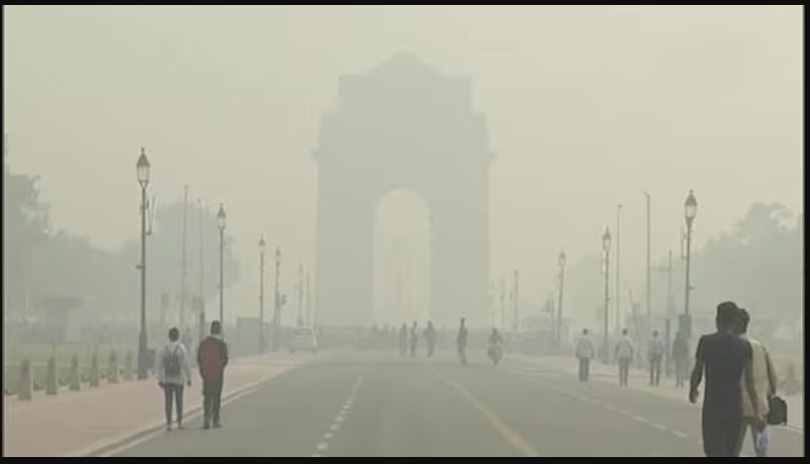
Every winter, the phrase “Visibility is Power” becomes relevant as news across India is
flooded with reports of rising air pollution. Is air pollution a seasonal issue? In fact,
thermal inversion is the main reason why Delhi’s pollution appears to plummet every winter.
7
PLANETARY POLLUTION
Poor Airshed Management
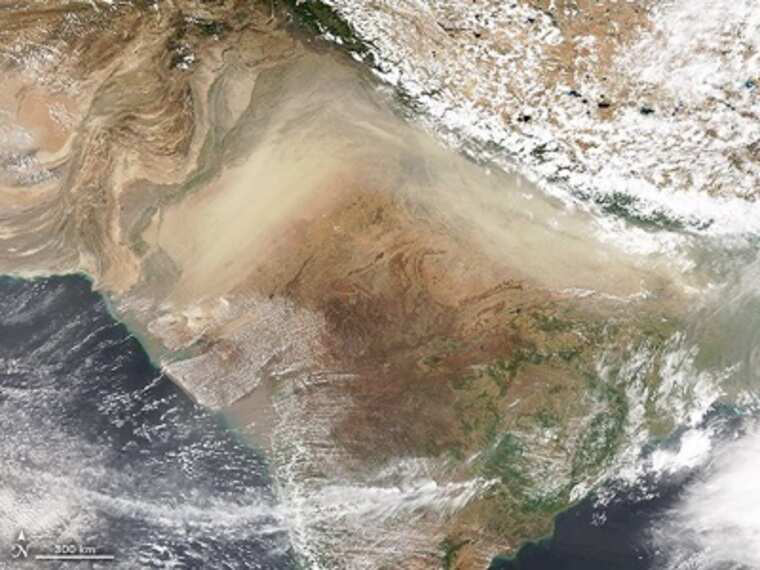
To alleviate the problem of air pollution in India, it is essential to take local measures
in collaboration with neighbouring governments and to properly manage the airshed that
covers the Indian subcontinent and the South Pacific region. India needs sufficient
coordination and commitment at regional and national levels to address this environmental
challenge effectively.
8
TOPOGRAPHY
Location, Temperature and Humidity
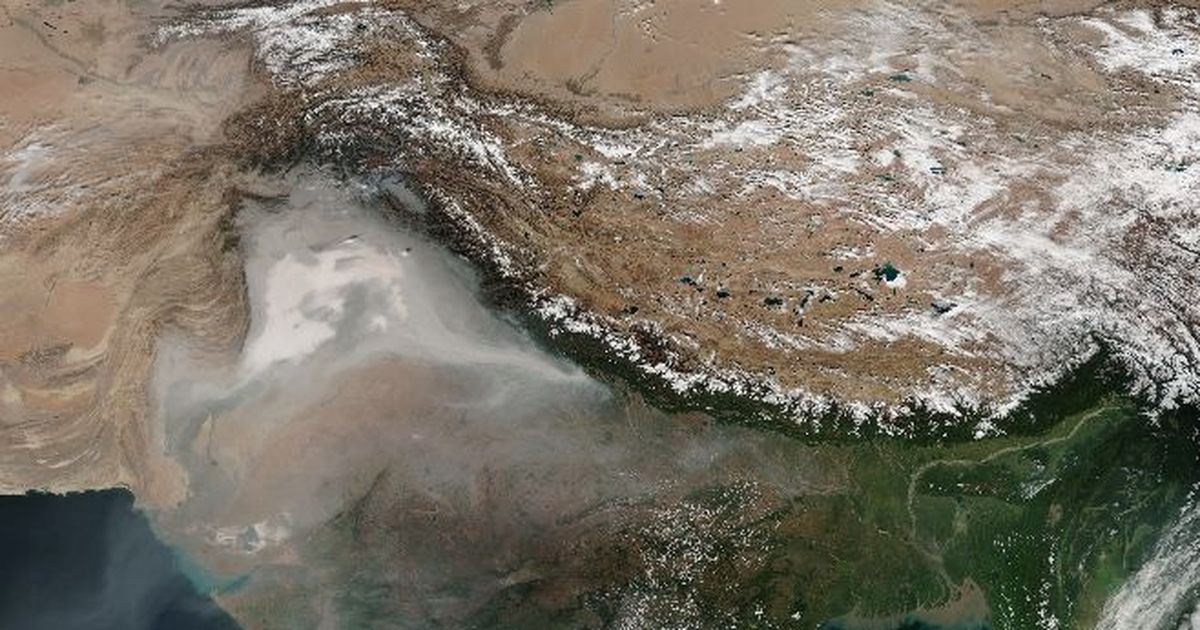
India has an unenviable geographical location when it comes to air pollution. The country’s
physical features and subtropical "climate create an environment that traps pollution and promotes creation of secondary pollutants and aerosols"
9
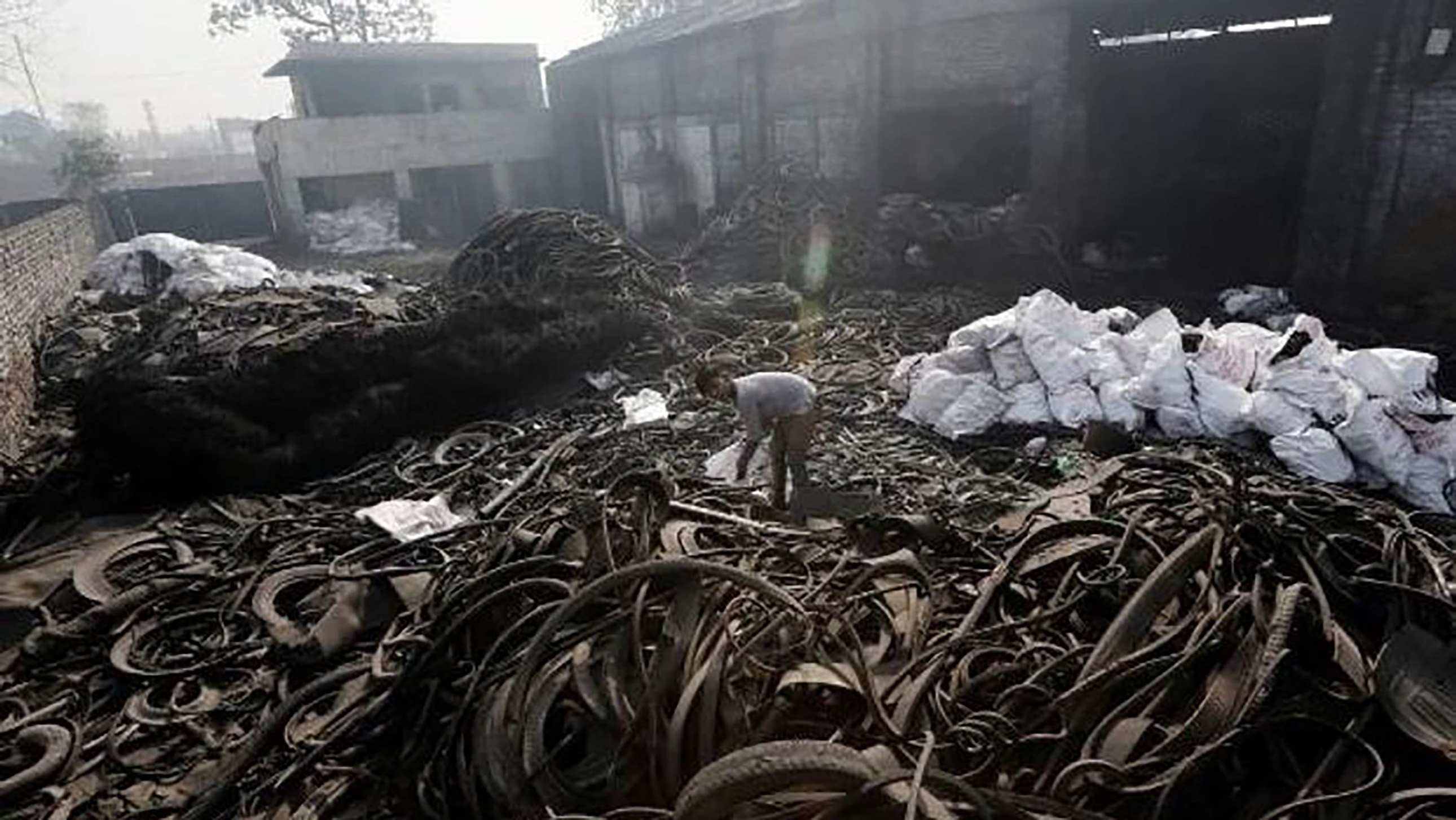
WASTE HANDLING
Waste Burning and Open Landfills
Improper disposal of hazardous waste substantially threatens air quality, leading to
significant air emissions that contain harmful pollutants.
10
IMPORTED POLLUTION
Dirty Trade
Policy gaps, weak enforcement and the propensity to prioritize material benefits over public
and personal health have enabled large scale imports and unregulated processing of hazardous
materials into India, contributing in a major way to the problem of air pollution.