
In general, Reactive Oxygen Species (ROS) are chemical constituents with oxygen atoms that are highly reactive in the ambient air, can cause respiratory problems and produce adverse health effects in human beings. ROS are generated after the incomplete reduction of molecular oxygen, and are a byproduct of apoptosis (programmed cell death).

At moderate levels, ROS function as critical signaling molecules in the modulation of various physiological functions, including inflammatory responses.
But, at excessive levels, ROS overwhelm cellular antioxidant defenses, leading to a state of oxidative stress. This imbalance disrupts cellular redox homeostasis, causing damage to essential biomolecules like DNA, proteins, and lipids. The excess ROS can overwhelm the body's ability to neutralize them, resulting in oxidative damage and contributing to and further exacerbating the development of inflammatory responses and causing various inflammatory diseases.
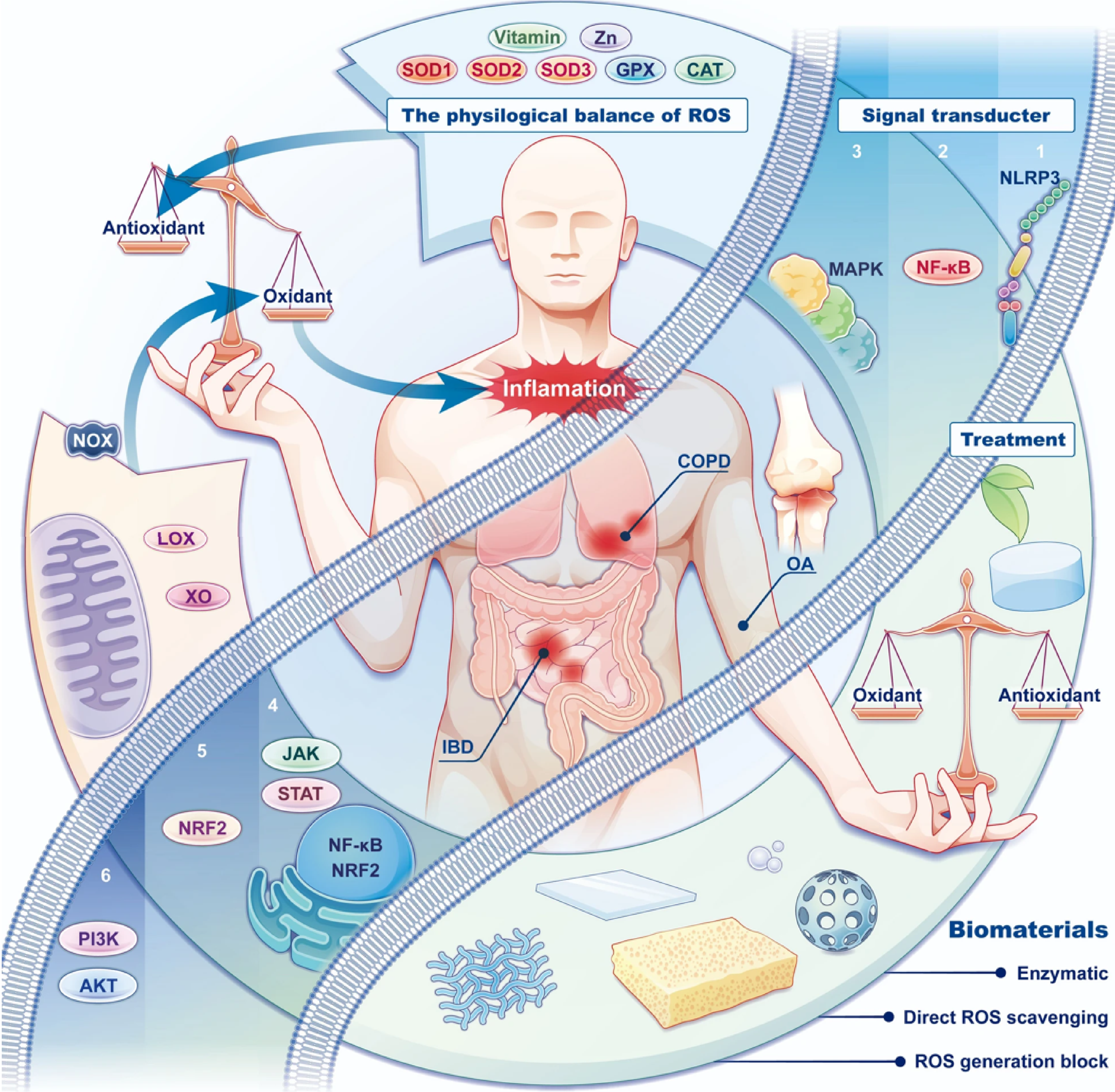
Inflammation is a fundamental defensive response of the human body that eliminates invading pathogens and foreign bodies to restore homeostasis. However, the over-activation of inflammatory responses inevitably harm the host and causes diseases, such as cancer, sepsis, and autoimmunity. This complex biological process that causes clinical symptoms, including heat, pain, redness, and swelling, is broadly triggered by infection and tissue damage.
As a basic pathological process, inflammation contributes to most human diseases. For instance, coronavirus disease 2019 (COVID-19), triggers severe inflammation, worsened by air pollution (e. g., PM2.5 in cities like Delhi), often leading to pneumonia as a major respiratory complication in severe cases.
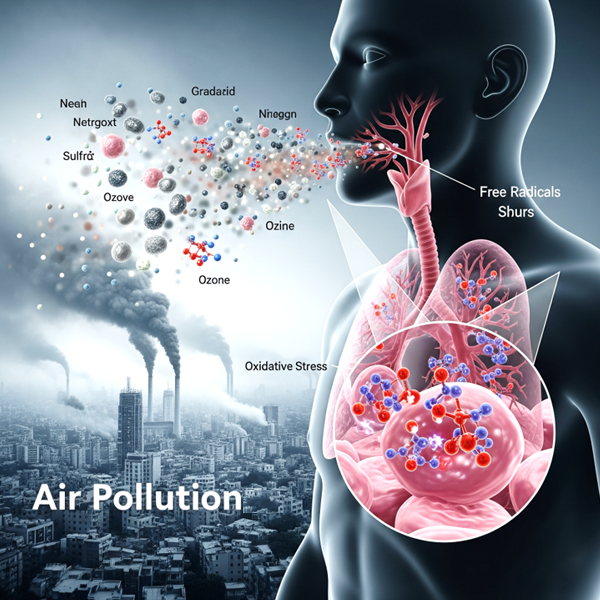
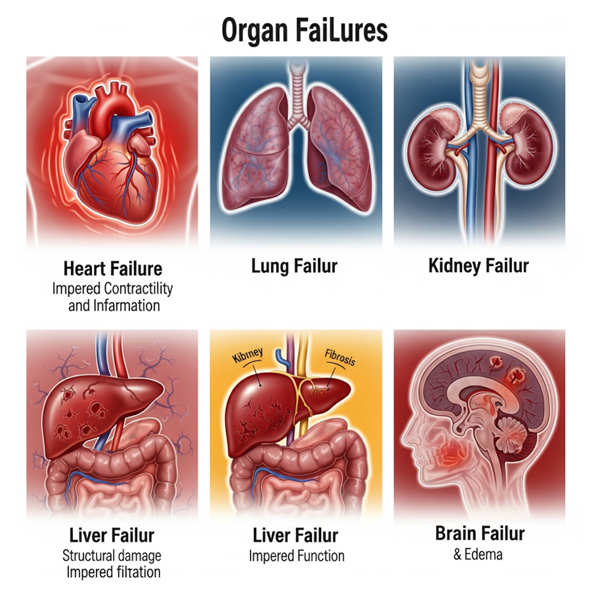
Causes respiratory irritation and lung diseases.

Leads to cardiovascular problems and high blood pressure.
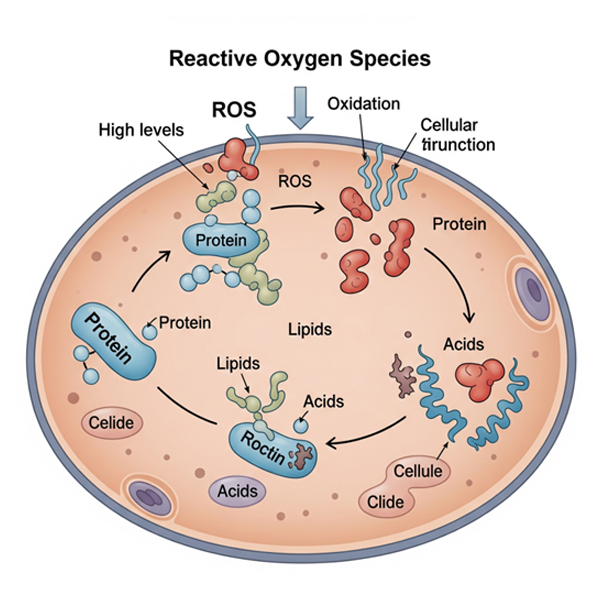
Triggers oxidative stress in body tissues.
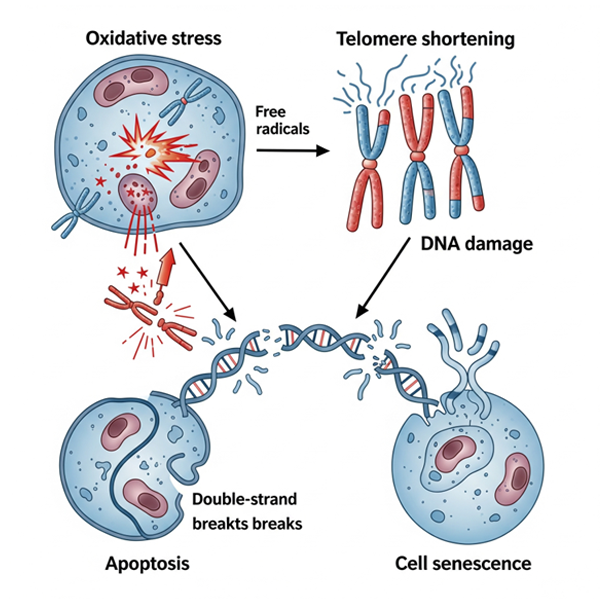
Impairs immune system response and cell repair.
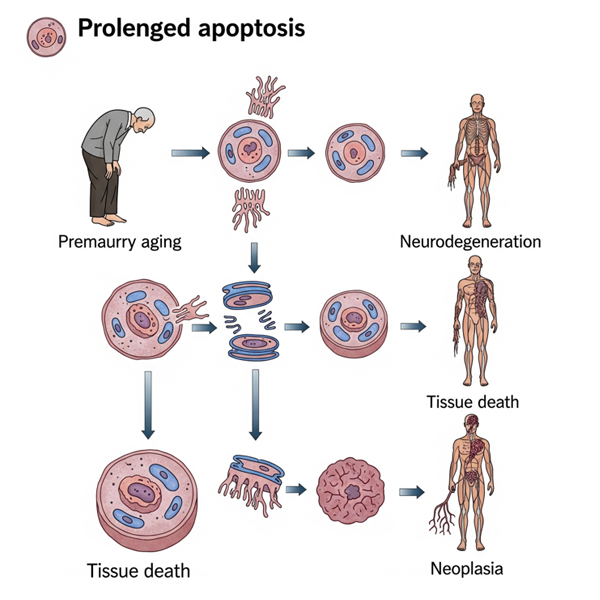
Causes inflammation and chronic disorders.
Leads to premature aging and genetic mutations.
The "human oxidation field" refers to a chemically dynamic zone of chemical activity created around a person due to reactions between skin oils and ozone, a common air pollutant. This field is characterized by the presence of hydroxyl (OH) radicals, which are highly reactive and can oxidize other volatile organic compounds in the air. Essentially, humans generate their own oxidation field, which can affect the air quality around them.
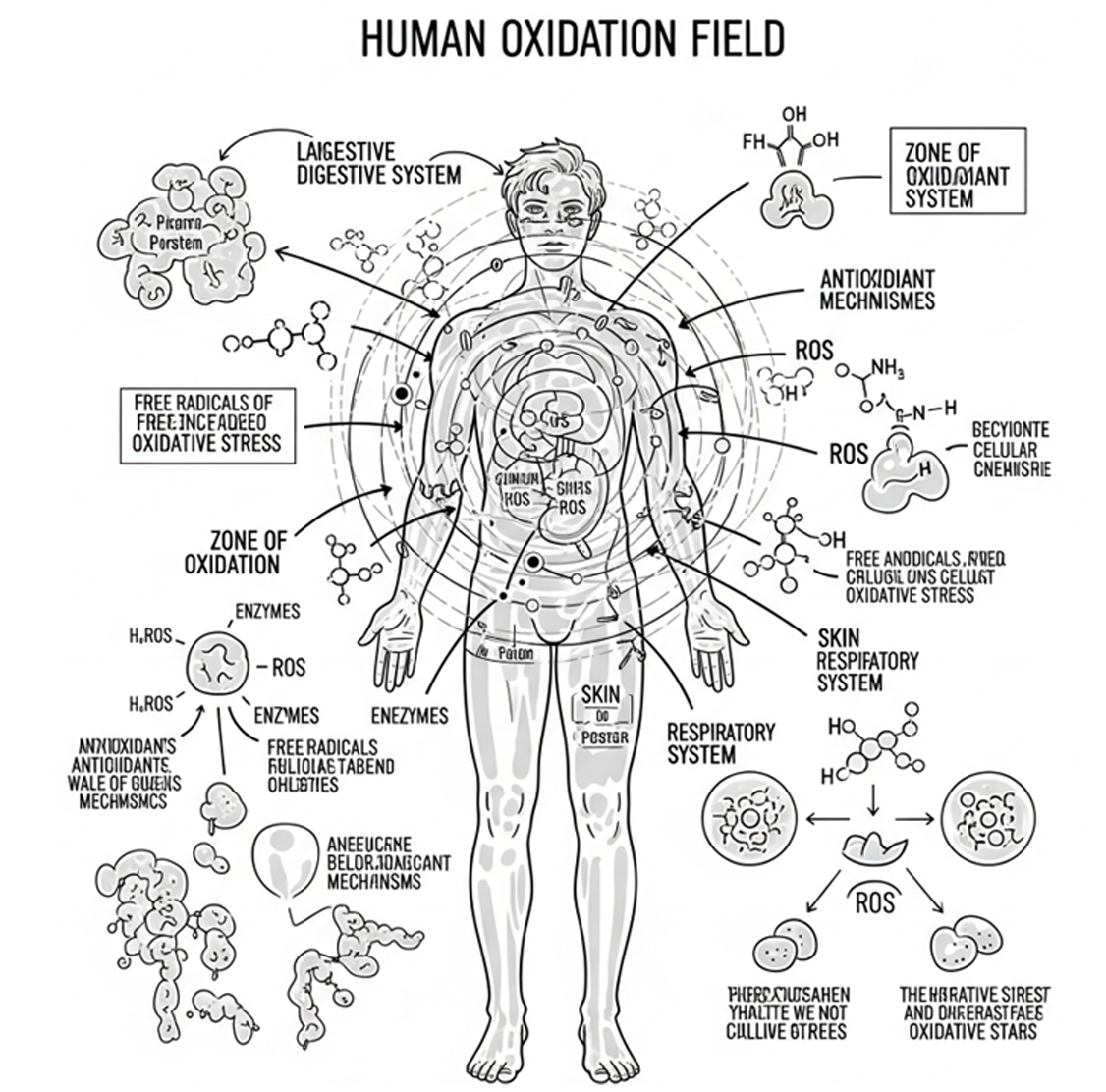
This microenvironment is influenced by numerous factors, among them emissions from everyday indoor sources such as cooking residues, cleaning agents, cigarettes, paints, upholstery fabrics, and furniture materials. Additionally, outdoor ozone infiltration further supplies necessary reactants. As per a recent study, when a person interacts physically with furniture or objects, their skin chemistry can catalyze the generation of numerous secondary compounds whose health effects and chemical properties remain poorly understood
When we exhale, we release VOCs like acetone, isoprene and alcohols. Our skin also emits squalene and fatty acids which react with Ozone (O3) (from outdoor air or electronics). These reactions produce Hydroxyl Radicals (OH), which are the most reactive oxidising agent (FRs) in the atmosphere, and form secondary pollutants like formaldehyde and Ultra Fine Particles.
The Human Oxidation Field is responsible for “Chemical Cleaning” of the air that is close to the surface of our body, under controlled conditions, as the reactive Hydroxyls oxidize pollutants close to the skin, However, the same Oxidation Field can create pollutants that cause damage to the body, if the environment is disturbed.
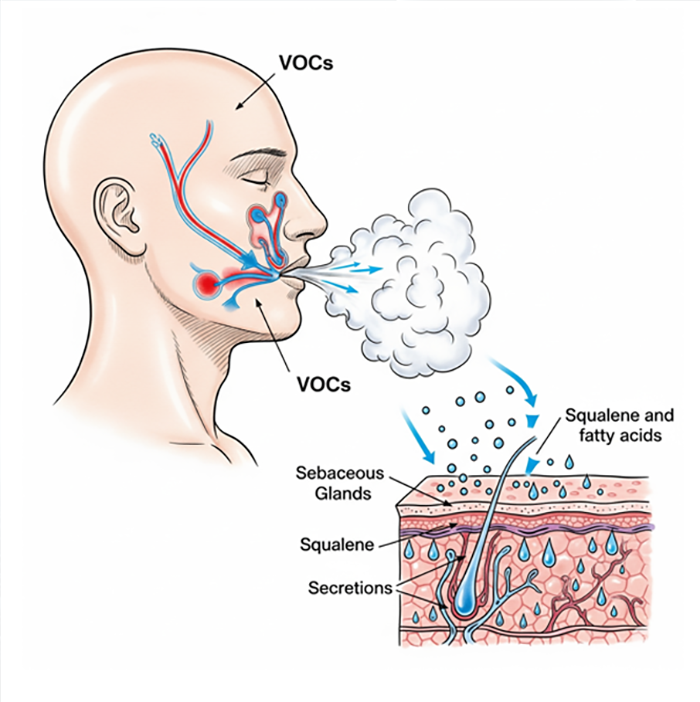
Oxidation near the body can create irritants, potentially worsening conditions like allergies or asthma. In crowded spaces such as offices and airplanes, this effect is amplified, leading to “indoor smog”. Studies have shown that each person carries a "0.5 to 1 meter (Williams et al,Science)" Oxidation Field around them. This field breaks down some pollutants but can also generate new toxic compounds (eg. 4-oxopentanal and Acrolein, both lung irritants).
In India where the ambient air environment ranges from 500 - 1800 AQI, and the air is thick with pollutants, the Ozone levels are already dangerously high. As a result, when our skin and breath emit VOCs, they react with this Ozone, producing even more OH. The pollution load in the air in India is so extreme that it overwhelms the body ’s Oxidation Field.
Instead of cleaning the air, it just creates new toxic compounds near your face and skin. The squalene (skin oil) secreted by the body forms 4 - oxopentanal which causes irritation in the lungs. If the air contains Sulfur Dioxide (SO2) or Nitrogen Dioxide (NO2), these can react on the skin causing rashes and accelerated ageing due to Oxidative Stress and may even cause chemical burns in extreme cases, and likely trigger and exacerbate autoimmune disease conditions.
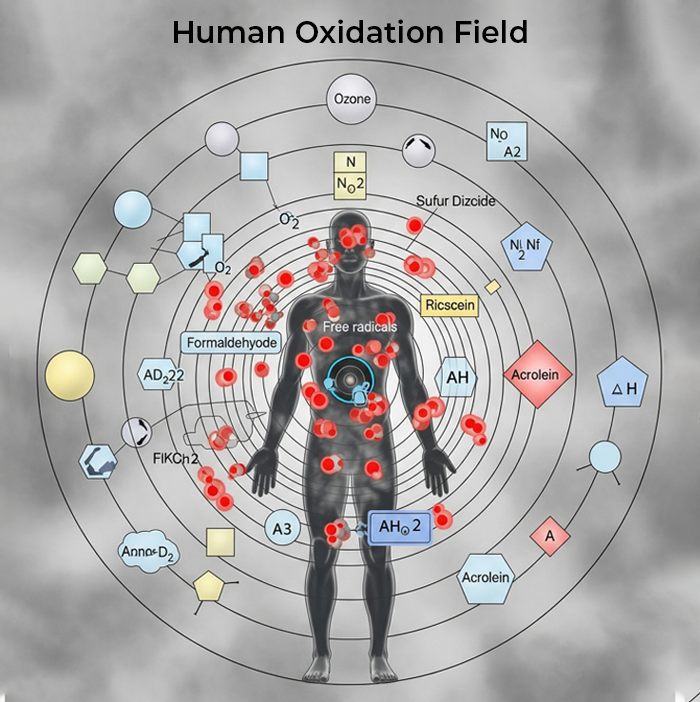
The body's natural chemistry unintentionally generates extra toxins when exposed to extreme pollution causing faster organ damage and increase in Oxidative Stress and inflammation as more toxic by-products are created by our own bodies near the face and skin